Complex Heritage Applications
Learn how to navigate Professional, Ethical, and Regulatory Complexity under the NHRA
This workshop goes live in...
This is a list of skills you will learn when enrolling for the Complex Heritage Applications course
Identify what qualifies as a complex heritage application
Navigate ethical and professional conflicts in heritage work
Understand your legal and professional obligations under the NHRA
Structure and interpret Heritage Impact Assessments (HIA)
Reduce delays through correct process and follow-up strategies
Validated by SAID, 1 CPD ECSA and SACAP credit (Cat 1)
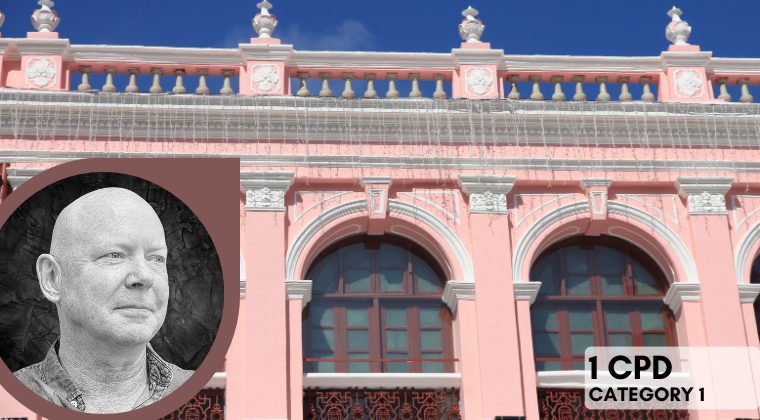
This course is designed for Architectural professionals already familiar with the National Heritage Resources Act (NHRA) who need to confidently navigate complex heritage submissions, particularly where competing interests, regulatory pressure, and ethical dilemmas intersect.
Rather than focusing on basic processes or form completion, this course addresses the real-world challenges Architects face:
✔️ Conflicts between development and conservation
✔️ Professional responsibility under pressure
✔️ Managing approvals, delays, and stakeholder expectations
Delivered through structured presentations and real examples, this course equips you with a practical framework for handling complex heritage scenarios in practice.
CPD CREDITS AND CATEGORY |
1 X Category 1 CPD Credit |
DATE: |
19th November 2026 |
TIME AND VENUE: |
8AM-2PM (Full Day workshop with Quiz) @ CPD Central online |
PRICING: |
R1165 (Early Bird - ends 18th November at 12pm) R1465 (Full Price) |
Council Validations: |
SACAP ECSA |
|
SAID member's discount |
10% email [email protected] for your coupon |
This course is not introductory.
It assumes:
Working knowledge of the NHRA
Basic familiarity with heritage processes and terminology
It does not cover:
Detailed completion of Heritage Authority forms
Introductory heritage theory
Required Pre-Reading:
National Heritage Resources Act (NHRA)
NHRA definitions and cultural heritage context
What makes a heritage application “complex”
Alignment with environmental and sustainability considerations
Professional responsibilities in heritage integration
Conflict of interest: development vs compliance
Societal attitudes to change
Innovation vs conservation
Research, documentation, and recording
Defining and applying heritage value
Structuring a Heritage Impact Assessment (HIA)
Ex post facto HIA: risks and ethical challenges
Conservation Management Plans (CMP): purpose and structure
Submission processes (PHRA & SAHRA)
Record of Decision (ROD): obligations and consequences
Contract management and the role of the Architect
Due process in heritage approvals
Strategies for ROD compliance and follow-up
Key lessons and practical conclusions
Open discussion and case-based reflection